
Posted on Aug. 1, 2026 by Dong Quanyue|Qingdao Vocational and Technical College of Hotel Management
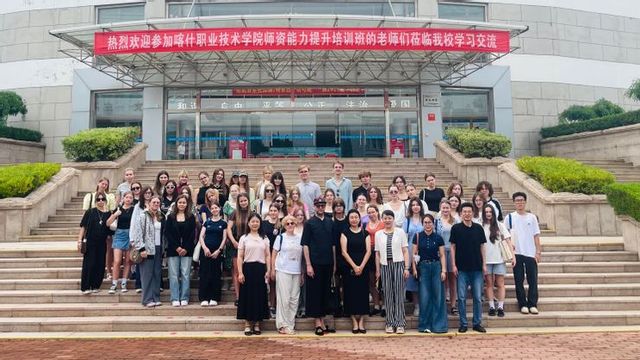
On July 27, our college received a 94-member Russian delegation for special training and exchange activities themed “Chinese + Professional Courses”.
The event successfully built a two-way platform for Sino-Russian technical and vocational exchanges, marking a key practice of the college’s efforts in overseas talent training and international education development.
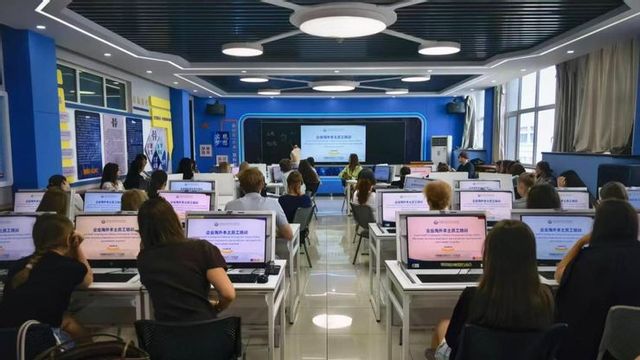
Centering on three major themes — “Digital China, Cultural Experience, and Craftsmanship Spirit”, the training adopted a modular and high-quality curriculum system based on the college’s distinctive majors and high-standard training resources including IoT application technology, culinary arts and intangible cultural heritage inheritance. Integrating Chinese language learning with professional practice, the courses covered intelligent IoT training, traditional Chinese catering studies, and the appreciation and creation of intangible cultural heritage, enabling effective integration of language improvement, skill cultivation and cultural immersion.
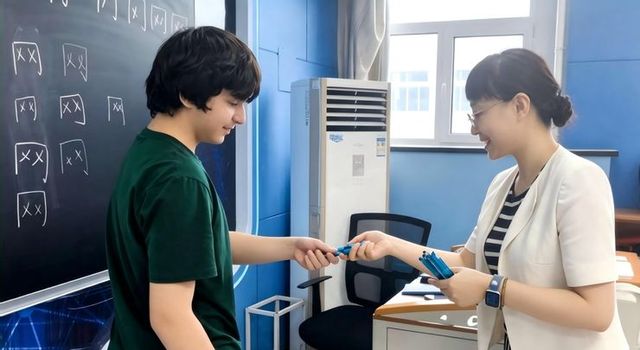
In the intelligent IoT training session, the teaching team of the School of Information Engineering delivered immersive and interactive courses with advanced teaching equipment such as smart hotel virtual simulation systems, smart home training kits and intelligent robots. Professor Peng Xia illustrated cutting-edge IoT architecture and automatic identification technology with typical cases of smart guest rooms and security linkage. Professor Yi Wenjuan presided over interactive seminars, organizing scenario simulations, technical Q&A and Chinese character writing experiences. The innovative teaching mode, complete training environment and mature talent cultivation system won high praise from Russian participants.
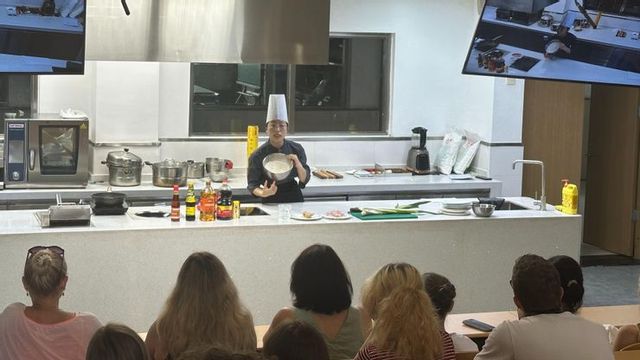
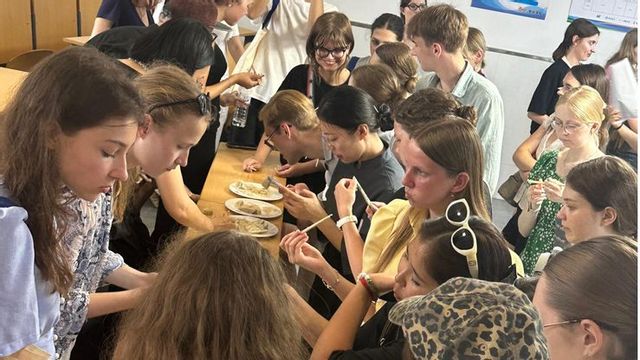
In the traditional catering workshop, Teacher Jiang Liping from the School of Culinary Arts explained the folk customs and ingenuous craftsmanship behind dumplings and osmanthus mung bean cakes. She demonstrated core techniques including kneading dough, stuffing, shaping and mould pressing. Participants observed carefully and practiced in groups to make traditional delicacies by themselves, gaining an in-depth understanding of the unique charm and humanistic warmth of Chinese catering culture.
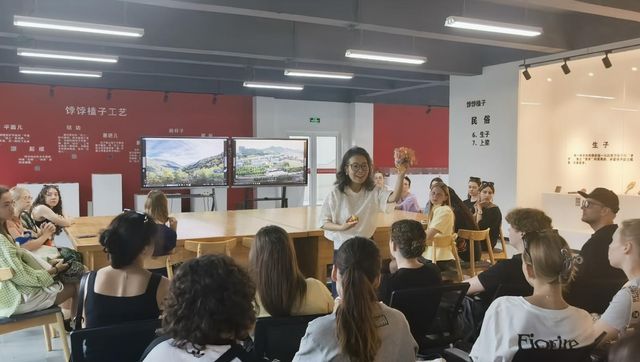
The intangible cultural heritage experience was held in the Pastry Mold Museum of the college. With nearly 400 fine ancient molds collected in the museum as teaching materials, Professor Zhu Guangli, Dean of the School of Art, introduced the provincial intangible cultural heritage — Shandong pastry mold craftsmanship, and reviewed the historical context and folk wisdom of Chinese dough art. Delegates also appreciated shadow puppetry, gold foil painting and lacquer fan artworks, and experienced traditional rubbing techniques, perceiving the dedication and innovative spirit of Chinese craftsmen through intangible cultural heritage practices.
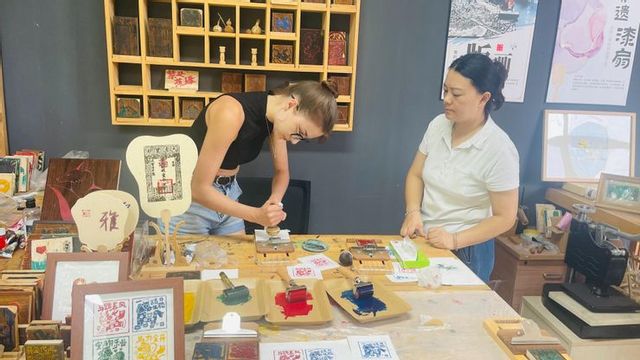
Blending cutting-edge technical training, traditional catering culture and intangible cultural heritage inheritance, the immersive, practice-driven courses enabled Russian participants to experience the distinctive strengths and practical features of Chinese vocational education. The event vividly showcases the university’s fruitful achievements in international schooling, highlights its open educational philosophy, and further consolidates Sino-Russian vocational education exchanges and talent cooperation.